
After many sweltering nights of 100 degrees Fahrenheit or more in the summer, you may welcome the cooler months in winter. Unfortunately, you aren’t the only one looking forward to enjoyable evenings in climate-controlled homes that provide warmth, protection, and food.
Critters are also seeking an opportunity to invade your home as a safe spot for themselves and their young in winter.
There may be several unwanted roommates targeting your Arizona home. However, here are three of the most common that you may encounter this season.
Wood Rats
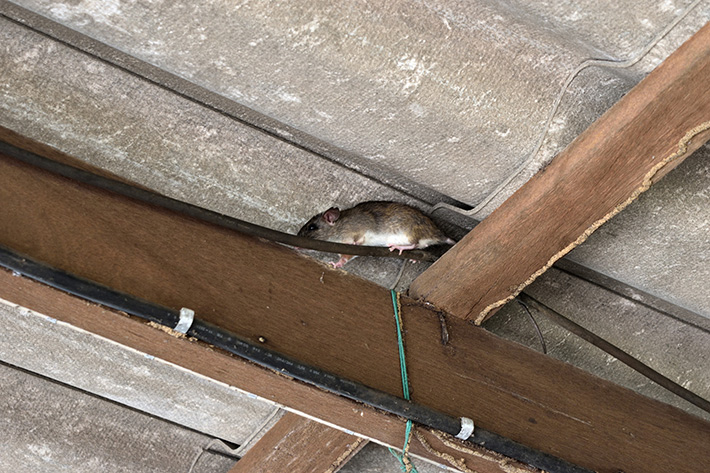
One of the most common invaders you may see in your Arizona home this winter is the wood rat. While most mammals hibernate or enter torpor, these mammals remain active year-round. They enter your home in search of nesting sites and a shortcut to your kitchen pantry.
Common Hiding Places
If you have a wood rat problem, you may not know it right away. These critters love dark areas. So they may hide in your basement, attic, or garage unnoticed for a while.
Signs They Are Present
One way you may know they are present in your home is that when you startle them, you’ll hear a thumping sound. This is the sound of their long tails hitting against the walls and floors of your home.
You may also notice their messy nests, known as “middens,” which may look like a pile of junk. These nests may be made out of cactus, sticks, rocks, insulation, shredded paper, and even shiny man-made objects.
Another sign of their presence is what they leave behind. Their urine trails will resemble dried motor oil and smell like corn chips. Their droppings will look like cylindrical black pellets resembling raisins.
Prevention
Since these rats love citrus, make sure you don’t have any of this type of fruit lying around your yard or near your trashcan. Also, ensure that your trash bins are fully closed. Remove any clutter, bushes, firewood, or similar items that are too close to your home, as they can create hiding spaces.
Check for holes in your home’s stucco and around gas lines and AC lines. These are common points of entry for them. Cover these areas with stainless steel mesh or copper wool to keep wood rats from chewing their way into your home.
Squirrels
Another sneaky critter looking to gain entry and a 5-star stay in winter is squirrels. Not all squirrels like camping out in your home, as some prefer to live in underground burrows. However, a few may be attracted to your home as a place of refuge.
Common Hiding Places
Do you have a squirrel problem? One way to know is that they will hide under your foundation slab and porch decks, weakening the structural integrity in those areas. Other common hot spots for these creatures include garages, attics, and crawl spaces.
Occasionally, squirrels may inadvertently also be found in the fireplace. This is not an intentional space for them, but they end up in the fireplace after falling in from an uncapped chimney.
Signs They Are Present
One of the most telling signs that you have squirrels in your home is the scurrying noises you may hear as they jump around. You’ll typically hear such noises coming from your ceiling area.
Another thing you’ll notice is gnaw marks on the exterior of your home, usually 2 inches in diameter. They use these holes to squeeze through and enter your home.
You can also notice that they are present because they will have “nesting bowls” made of leaves and twigs. They may also even have food in their nests, such as acorns or dried citrus peels. Their urine will also smell like amonia and their droppings will be between ⅜ and ½ inches long with blunted ends.
Prevention
If squirrels have invaded your home, they will probably always hang out on your roof since that is a common entry point. Since this is their primary target, you should trim and prune your tree branches to prevent them from reaching your roof. Branches should be at least six to eight feet away from the roof line to minimize squirrels having a bridge of access to your roof.
Roof vents and caps should also be fitted with metal covers to keep them out. You should also keep your trash secured and keep citrus peels out of their reach, as they are a tasty treat for them. In severe infestations, you may want to spray the exterior with predator scents, such as fox or coyote urine, to deter them.
Woodpeckers
One final critter that may be a threat to your Arizona home this winter is woodpeckers. While they aren’t like wood rats and squirrels, who want to find a place to nest, they want to set up shop to hunt dormant insects. They love the larvae of carpenter bees, termites, and beetles.
Common Hiding Places
Woodpeckers are more interested in parts of the roof, such as the eaves, fascia, or the wood siding. So, if you see small irregular holes in those upper areas of your house, they are most likely present in search of hibernating insects to feed upon.
Signs They Are Present
Long before you notice the damage, you’ll probably also hear a drilling sound regularly, as they signal to other birds that they are marking their territory for winter.
This is the sound of their beaks drilling into chimney caps, gutters, and roof vents. Acorn woodpeckers may also leave behind evidence of acorns in the holes they drill in your home.
More on Legal Protection for Woodpeckers
Of all pests that may enter or attack your home, this is one that is strongly protected by federal and state law. So, you’ll want to avoid harming them at all costs.
The Migratory Bird Treaty Act of 1918 is a federal law that protects birds from being shot, trapped and relocated, and disturbing their nests. Arizona State Law (Title 17) specifically reinforces the federal law by potentially bringing charges and even substantial fines, upwards of $15,000, for harming woodpeckers.
Prevention
One of the most ideal ways to keep woodpeckers at bay is to hang things near your home that frighten them. They don’t like flashing lights, so hanging such items will deter them from your property. Hanging Mylar tape is a great defensive strategy. Hanging bird netting will also keep them from pecking areas of your roof.
Another method is to hang suet feeders for woodpeckers, a high-energy food source that helps keep them from damaging your home in search of insect larvae. One final way to address the problem is to consult a wildlife removal expert specializing in woodpecker issues.
Maricopa County Wildlife Removal Done Right
Critter Evictors in Scottsdale has helped hundreds of homeowners and property managers across Maricopa County resolve wildlife infestations quickly and safely.
If you’re dealing with an urgent wildlife problem, call today to schedule fast, humane removal. We specialize in responsible critter removal – including birds, bats, rats, moles, snakes, raccoons, and more – along with solutions designed to help prevent repeat issues.