
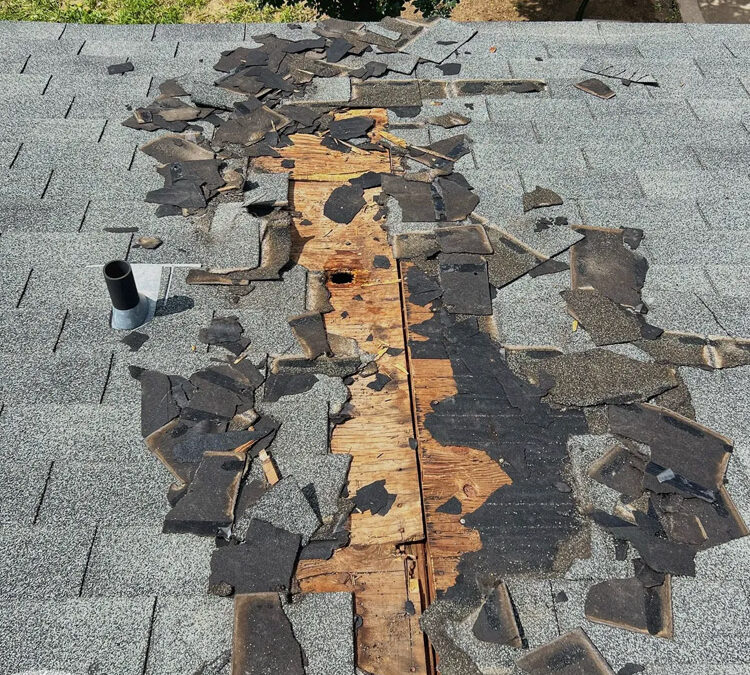
Homeowners awoken to the sounds of footsteps overhead may find themselves dealing with a raccoon. In many cases raccoons will enter through construction gaps or missing vent covers. In other cases the raccoon decided to create a new cavity where it pleases. How powerful are raccoons and what degrees of damage can they impart on a homes exterior?
When homes are constructed there are cavities created with intent and others from neglect. Cavities that are created with intent include attic and roofing ventilation. Their purpose allows for heat and vapor to escape and the home to breath. These cavities are generally capped with ventilated covers to prevent wildlife and debris from entering. Cavities created from neglect are generally hard to reach areas. They are typically not visible from the ground and left open after construction. Raccoons are keen to hone in on these areas and access the homes attic space thorough them. In some cases raccoons decide to tear an entry hole in seemingly random parts of a homes exterior.
Not to give raccoons too much credit, but they are highly adaptable, intelligent and powerful critters. Raccoons are fitted with thumbs. Their thumbs give them dexterity. At the end of their digits are claws. Raccoon claws are capable of shredding plywood, shingles, hardware cloth and plastics. This leaves homeowners with shredded shingles, missing vent covers, holes in roof decking and damaged trim boards. How can homeowners dissuade raccoons from entering their properties?
Like most wildlife, raccoons will generally take the path of least resistance. If plastic trash cans are left unlocked next to metal cans that are locked the plastic cans are the low hanging fruit. If a home is showing its age from years of exposure to the elements and the exterior shield has become soft with gaps that home generally will be targeted by the raccoon. Albeit, there are some situations where all rhyme and reason seem to go out the window and the entry point appears to be a stroke of misfortune. To protect a home against raccoons reinforcement should be conducted proactively.
Raccoons habitually target common areas of a homes exterior. Common vulnerable areas include roof wall intersections, construction gaps, failing trim pieces, missing vent covers, loose access panels, and open chimney flues. By creating tight seals and forcing the raccoon to expend more energy to gain entry one home becomes less attractive to target than another.
At the end of the day raccoons harbor strength, intelligence and adaptability. Raccoons living in urban areas are quick to find weak points on a home and take advantage of them. Proactively reinforcing a homes weak points before a raccoon can find them will make that home a less attractive option for raccoon denning. For more information contact the wildlife professionals at Critter Evictors!