
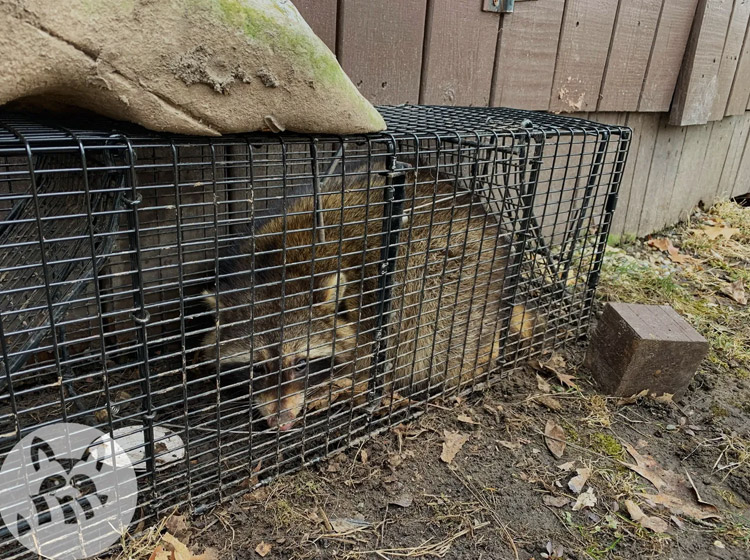
As winter descends upon North America raccoons will seek shelter and warmth against the cold. Raccoons naturally den in a myriad of places including the hollows of trees, between rocks and unfortunately residential attics/chimneys. Their mission, to stay warm & find a suitable places to breed and rear babies in the spring. There are ways to proactively protect a home against a raccoon infestation.
What attracts raccoons? What structures on a home are targeted by raccoons for entry?
Raccoons are classified as opportunistic omnivores. They will eat almost anything that’s available. The first way to deter raccoons from a property is to remove or protect food sources from the exterior. Food sources range from unsecured trash bins, to pet food left outside and even grubs in the lawn. Bringing pet food inside at night, securing trash cans with locking lids and treating soil with grub deterrent are effective methods in removing raccoon attractants. Raccoons are opportunistic when it comes to finding shelter as well.
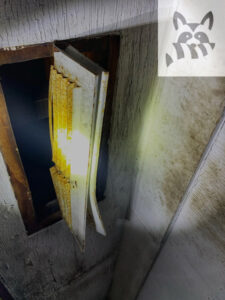
Raccoons are extremely dextrous. Their paws are equipped with thumbs that make them agile acrobats. Raccoons are capable of traversing electrical lines, scaling bricks and siding. Raccoons have also been seen opening propped windows. Raccoons commonly den in attics & chimneys that are vulnerable.
When a homes exterior is missing trim pieces, protective screening, chimney caps and roofing vent protection raccoons my seize the opportunity and access the property. Missing trim pieces should be replaced before raccoons squeeze into the warm attic behind them. Chimneys should be fitted with caps designed to keep wildlife out. Roofing ventilation can be protected with ventilated metal meshing that excludes wildlife from accessing attic space. Repairing and reinforcing these vulnerable areas creates a more difficult and less opportunistic home for raccoons to access.
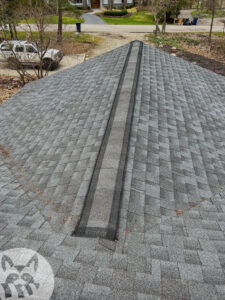
Raccoons are opportunistic creatures of habit. Homes that offer food may entice raccoons to den close by. When the colder months come around warm attics and chimney shafts become inviting spaces for raccoons to den. Taking proactive measures to secure food sources and strengthen vulnerable entry points on a homes exterior will help mitigate raccoon activity.
For more information on raccoon removal & proactively sealing homes against wildlife contact the professionals at Critter Evictors!