
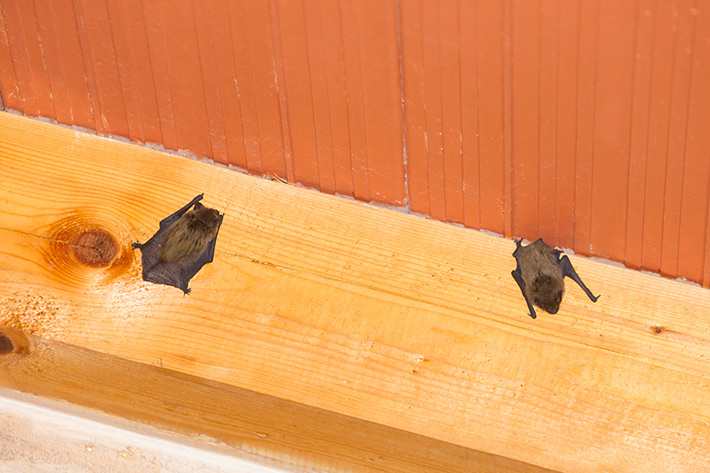
Wildlife activity around homes and businesses is never constant. It changes with the seasons, the weather, and the needs of each species. Understanding these patterns helps homeowners prepare for the times of year when invasions are most likely to occur. It also makes it easier to spot the early signs of trouble before animals settle in and cause damage.
If you suspect a wildlife problem, contacting a wildlife removal company is the quickest, safest solution.
Here is a season-by-season look at what typically happens, which animals are most active, and what you can expect around your property throughout the year.
Spring: Breeding Season and Nest Building
Spring is one of the busiest times for wildlife. As temperatures rise, animals come out of winter dens in search of food, mates, and safe nesting locations. Unfortunately, attics, crawl spaces, soffits, and sheds often look like prime real estate.
Common wildlife issues in spring:
● Squirrels searching for safe spots to raise their young
● Raccoons breaking into attics to give birth
● Birds building nests in vents and chimneys
● Skunks digging under decks, sheds, or foundations
● Bats returning to summer roosts
During this season, animals are driven by instinct to protect their offspring. Disturbing a nest or mother animal can be dangerous, so professional removal is strongly recommended. Early detection is key, since most species try to establish a home before their young arrive.
Summer: High Activity and Food Foraging
Summer brings longer days, more food, and more movement. Young animals born in spring begin exploring, which often leads them into places they shouldn’t be. Warm weather also drives certain species toward cooler, shaded locations inside homes.
Summer wildlife behavior often includes:
● Rats and mice moving indoors seeking water
● Snakes looking for cool, dark shelter
● Raccoons and opossums raiding trash cans
● Bats entering attics through small gaps
● Hornets and wasps building large nests under eaves and inside wall cavities
Because vegetation is thick and food is abundant, animals feel bolder. Trash left outside, loose garden compost, and open crawl spaces attract them even more. Summer is also the time when homeowners tend to notice scratching in walls or movement in crawl spaces as juveniles begin to wander.
Fall: Preparation for Winter
In the fall, wildlife focuses on one thing: survival. Animals begin finding warm places to spend the winter and storing food whenever possible. This is the season when most long-term infestations begin, as animals seek shelter ahead of cold weather.
Fall issues to watch for:
● Squirrels chewing through rooflines to build winter nests
● Rats and mice enter through gaps under siding or entry doors
● Raccoons forcefully opening attic vents for shelter
● Bats gathering in attics before hibernation
● Groundhogs digging deeper burrows near home foundations
Homeowners often mistake early signs of activity for harmless autumn noises. In reality, these animals are settling in for months. Once they’ve chosen your home as a winter shelter, they can cause significant damage to insulation, wiring, and ductwork.
Winter: Seeking Warmth and Shelter
Winter pushes wildlife closer to human homes than any other season. Food is scarce, temperatures drop, and your attic or wall cavity becomes one of the warmest places around. Even homes with no previous history of wildlife issues can experience surprise intrusions.
Typical winter invaders include:
● Mice nesting inside walls and kitchen areas
● Rats searching for heat sources and steady food
● Raccoons denning inside chimneys or attics
● Squirrels breaking into soffits to escape cold snaps
● Bats remaining in semi-hibernation in attic spaces
Winter infestations often begin quietly. Smaller animals remain hidden for long periods, causing damage before anyone realizes they’re there.
How Homeowners Can Prepare Year-Round
Understanding seasonal patterns is only part of the solution. Regular inspections can dramatically reduce the odds of wildlife intrusion.
Simple steps include:
● Checking attic vents and rooflines for gaps
● Keeping trash sealed and stored properly
● Clearing yard clutter and trimming tree branches
● Securing crawl space doors
● Repairing damaged screens, siding, or fascia
● Listening for unusual noises at dawn or dusk
Wildlife is opportunistic. When a home has an opening, even a small one, animals will take advantage of it.
When Wildlife Gets Inside
If you hear scratching, movement, or notice droppings, call a professional quickly. Animals are more difficult to remove once nested. DIY removal often leads to injuries, property damage, or animals getting trapped inside walls.
A wildlife removal specialist can identify the species, remove them safely, clean and sanitize the space, and seal entry points to prevent another intrusion.
Staying Ahead of Seasonal Wildlife Activity
Each season in Arizona brings its own challenges, but with the right knowledge and preventive care, you can keep wildlife from making your home their own. If animals do enter your property or you suspect activity, Critter Evictors in Scottsdale can help identify the problem, remove the wildlife safely, and protect your home year-round.
We’re a trusted, top-rated choice for wildlife removal throughout Maricopa County