
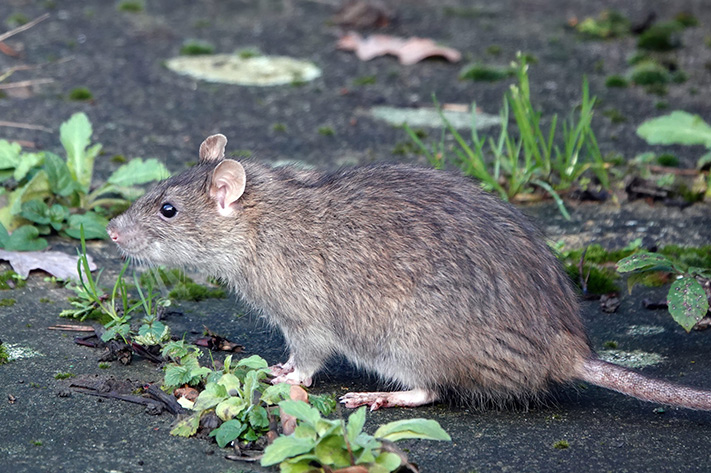
Many Arizona wildlife problems start the same: you notice a smell, a sound, or something that looks off. With packrats, the clue is usually under the hood. You pop it open and find a mess of twigs, cholla, seed pods, and whatever else the animal drags in.
Sometimes the nest is obvious. Sometimes you only notice it when the car won’t start, a warning light appears, or the AC fan makes a strange noise.
If you’ve got packrats under your hood, it’s best to call a wildlife removal pro.
Note that packrats are not out to ruin your day, they act on instinct. A parked car is sheltered, warm, and full of hidden corners. To a packrat, an engine bay feels like a safe cave.
Why packrats pick cars in the first place
In many parts of the Valley, packrats are active year-round. They like protected spaces and buildings. If your car sits overnight in a driveway, under a carport, or in a garage with an easy gap under the door, it can look like prime real estate.
A few situations make the problem more likely:
● A vehicle left still for days becomes more inviting to packrats.
● There is food nearby. Pet food in a garage, birdseed, fallen citrus, or an accessible trash can pulls rodents closer to the house.
● There is a cover near the parking spot. Dense shrubs, wood piles, or stored items give them a short, safe route to the car.
● A warm engine bay, especially after driving, attracts packrats.
If you are dealing with this more than once, it is usually the setup around the home and parking area.
What damage actually looks like
The nest is annoying, but the real problem is what comes with it. Packrats can chew, and they are not picky about what they chew. Common damage includes:
Chewed wiring and insulation
Wires can lose their coating, get nicked, or get cut. That can cause intermittent problems that are hard to trace. One day, it starts fine. The next day, it does not.
Hoses and soft components
Vacuum lines, washer lines, and other soft materials often get chewed.
Debris is packed around moving parts.
Nesting material near belts, pulleys, fans, or air intakes causes odd noises or airflow issues.
Droppings and urine
Besides the smell, this creates a cleanup issue. It is not something you want to handle casually with your bare hands.
If you suspect packrat activity, don’t start the vehicle in the hope that debris will clear. It can shift and damage parts that were fine before.
What to do when you find a nest
First, take a photo. It sounds silly, but it helps later if you need a mechanic to understand what happened or to track whether the problem is recurring.
Second, treat it as contaminated. Use gloves, avoid stirring dust, and wear a mask if sensitive to dust. The aim is safety, not drama.
Third, do a careful visual check before you drive. Look for chewed areas, loose wires, or anything that appears wrapped around a belt or fan. If you see clear wire damage, do not guess. Get it inspected. Electrical problems are one of the easiest ways to turn a small rodent issue into a larger repair bill.
Prevention that actually helps
Packrat prevention is not one magic product. A few practical changes make the area less appealing.
Change the “welcome conditions” around the parking spot
Trim dense shrubs back from the driveway. Clean up wood piles and stored clutter near the wall. Reduce hiding spots to make the route to the car more exposed.
Remove food pulls
Store pet food in sealed containers, pick up fallen fruit, and keep trash lids tight. Simple steps matter.
Close off easy access
Fix any garage door gap or unsealed side door. Small gaps are enough for rodents.
Make the car a less comfortable nesting site
Regular use or opening the hood if the car sits a while disrupts nesting routines.
Be cautious with DIY repellents
Some deterrents help in some situations, but many are short-lived in heat and dust. If you rely solely on scent, you will likely end up reapplying constantly while the underlying conditions remain the same.
The most effective prevention is to clean up attractants and reduce cover.
Why Professional Wildlife Removal Services Matters
If you have had more than one nest, it is time to step back and look at the property as a whole. Packrats do not teleport into an engine bay. They live nearby, take the same routes, and return to places that feel safe.
A professional inspection can identify where they are moving and denning, and what needs to be sealed or adjusted to prevent the issue from recurring. Critter Evictors in Scottsdale provides wildlife removal services throughout Maricopa County, including inspections and exclusion work designed to keep animals out.
If you are dealing with packrats in a vehicle or garage and you want the problem handled at the source, Critter Evictors can inspect the property, remove the animals humanely, and recommend practical exclusion steps so you are not cleaning the same nest out of the same car twice.