
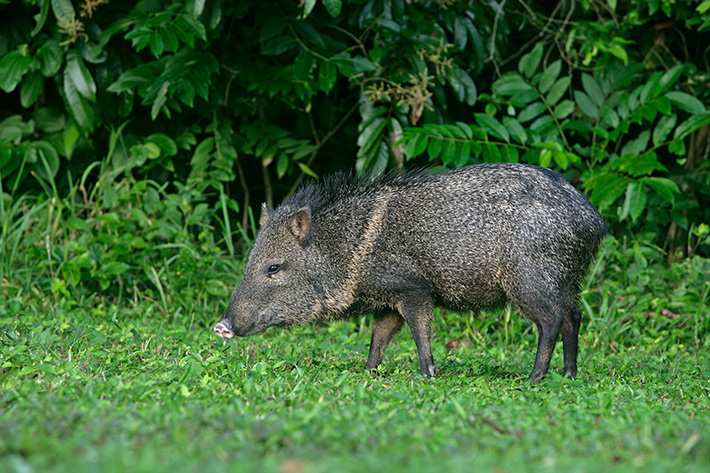
Not every wildlife problem involves the usual nuisance animals or small critters. In Arizona, one animal that often surprises homeowners is the javelina. While they may seem unusual or even harmless at first, javelinas can create real problems when they wander onto your property uninvited.
From damaging landscaping to creating unsafe encounters for people and pets, these animals should be taken seriously when they become a recurring issue in your yard.
Our wildlife removal company offers helpful tips for handling unusual encounters with uninvited wildlife and critters.
Here are some things to know before an expert needs to be called.
Javelina problems tend to start the same way. You wake up, and the yard looks like someone took a rototiller to it. Mulch is scattered, irrigation lines are exposed, and a plant you paid too much for is snapped off at the base. If you are unlucky, the damage repeats the next night, and now you have a pattern.
Javelina are not picky. They move through neighborhoods in search of food, water, and easy cover. Once they find a yard that offers all three, they come back. That is why “chasing them off” works for a few minutes but fails in the long run.
Why Javelina Show Up in Residential Yards
Javelinas are built for desert life, but suburban yards can be easier to navigate than the desert. Water is predictable, plants are irrigated, and there is often food around without anyone realizing it.
Most yards that get repeat visits have one or more of these pulls:
Food that is easy to access
Fallen fruit, vegetable gardens, bird seed on the ground, and unsecured trash all count. Even “natural” compost piles can smell like a buffet to a javelina.
Thick cover and easy travel routes
If a yard backs up to a wash or has dense shrubs, javelina can move in and out without feeling exposed. They do not like being cornered, so they prefer routes with quick exits.
Water sources
Drip lines, leaky valves, pet water bowls, and decorative fountains can draw them in, especially during dry stretches.
The tricky part is that javelina can do serious damage without staying long. A small group can turn a neat yard into a mess in one pass.
How to Identify Damage from Javelinas
The damage is often mistaken for “something digging for grubs,” but javelina tracks have a few telltale signs. They root with their snouts and push into soil and mulch, especially around the base of plants.
Common signs include:
● Mulch scraped aside in wide patches, not small holes.
● Plants uprooted or snapped, especially low-growing ornamentals.
● Shallow trenching along borders or under shrubs
● Irrigation tubing pulled loose or exposed.
● A strong musky smell in the area they traveled
● Tracks that look like small pig tracks, often in pairs
If you see the same damage in the same zones, pay attention to the route. Javelina tend to reuse the easiest path into the yard.
● They often work fast. Damage can occur in minutes, especially with a group moving through.
● They target edges. Border beds, shrub bases, and areas near cover get hit first.
● Irrigated soil is a magnet. Soft soil is easier to root through than hard desert ground.
● Dog encounters are a risk. Javelina can defend themselves if they feel threatened, especially around pets.
What Not to Do About Javelina
The worst move is treating it like a stray cat problem. Javelina are wild animals. If they feel cornered, they can charge. They are also social and often travel in groups, so what appears to be “one animal” may not be the full picture.
Avoid these common mistakes:
Do not feed them, even indirectly.
If they are getting food from your yard, they will keep coming.
Do not rely on one-time scare tactics.
Noise, lights, and motion sprinklers can help in the short term, but they are not a long-term solution if food and cover remain.
Do not let dogs chase them.
A dog can quickly escalate the situation. Javelina do not always run. They may stand their ground.
Do not block their exit route while they are in the yard.
Cornered wildlife is unpredictable wildlife.
If javelina are actively in your yard and you need them gone, the safe approach is distance, calm movement, and professional help if they will not leave.
How to Prevent Repeat Visits
Lasting prevention is about removing the attractants and breaking the routine.
Start with the basics:
1. Clean up food sources.
Pick up fallen fruit daily, secure trash, and keep bird seed from accumulating on the ground.
2. Protect gardens and new plantings.
If you have a garden, fencing is usually the difference between “constant damage” and “no damage.” Temporary protection around new plants can also help.
3. Remove easy water access.
Fix leaks, avoid leaving pet bowls outside overnight, and address any consistent wet spots.
4. Trim travel lanes
Javelina prefer cover. Reducing dense hiding zones near fence lines and keeping entry paths more open can make your yard less appealing.
5. Consider exclusion and barriers.
If the yard is in a known travel corridor near washes or open desert, physical exclusion is often the only reliable long-term option.
The key idea is simple: you are either changing what your yard offers or physically preventing access. Anything else is a temporary patch.
Time to Call a Wildlife Removal Professional
If javelina are repeatedly damaging your yard, or you have concerns about safety with pets and family, it is worth getting a professional assessment. A good plan looks at how they are entering, what is pulling them in, and what practical steps will stop the repeat visits without creating new problems.
Contact Critter Evictors in Scottsdale today for a free assessment. Our wildlife removal services are trusted throughout Maricopa County and surrounding areas. Handling all types of critters on any property, we will identify entry points, remove attractants, and create a humane plan to prevent ongoing damage. Take the next step to protect your yard—call us now to schedule your consultation.